How to Extend the Lifespan of Your Water Heater
We will explore practical methods to improve the longevity of your water heater. With proper maintenance and care, you can enhance efficiency, avoid premature breakdowns and get more dependable performance from your system. Whether you have a traditional tank model or a tankless unit, understanding how the equipment works is the first step toward protecting your investment.
System Types and Basic Operation
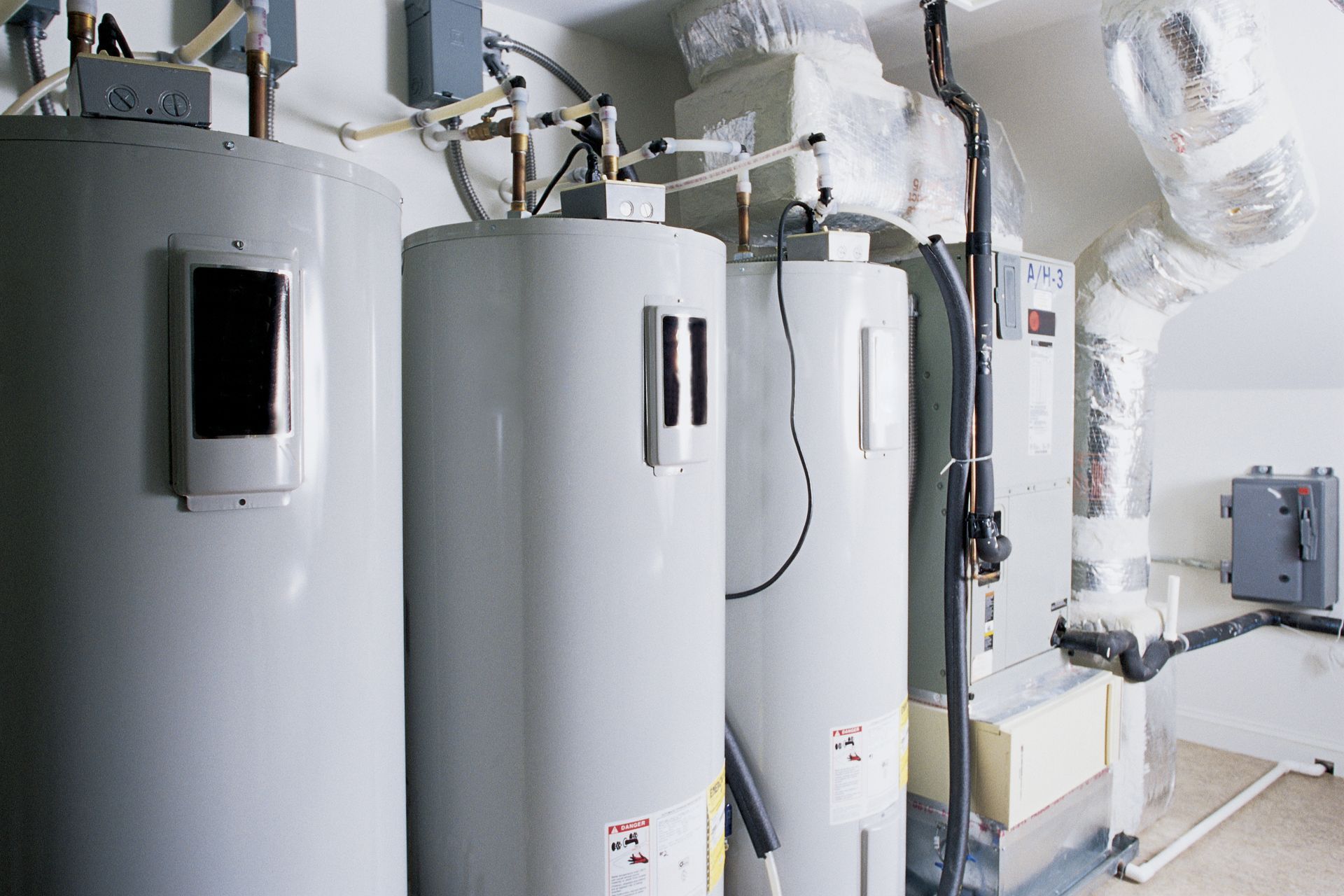
Different homes rely on different hot water systems, including conventional storage tanks, tankless units, heat pump systems, solar models and condensing units. Each option has unique maintenance needs, energy demands and lifespan expectations. A storage tank keeps heated water ready for use, while a tankless model heats water only when a faucet or appliance calls for it.
Knowing the type of system in your home helps you choose the right care routine. For example, tank systems often need flushing to remove sediment, while tankless models may need descaling depending on local water quality. A well-matched heater can provide years of reliable service when it is maintained according to its design and usage level.
Maintenance Value and Long-Term Reliability
Routine maintenance is one of the best ways to extend equipment life. Small checks can reveal corrosion, leaks, unusual sounds, reduced heating performance or pressure issues before they become expensive repairs. Regular maintenance also helps the system run more efficiently, which can lower energy waste and reduce strain on internal parts.
Skipping maintenance can lead to sediment buildup, rust, leaks and inconsistent temperatures. Over time, these problems can shorten the life of a water heater and increase the chance of sudden failure. Homeowners who schedule inspections and handle basic upkeep are more likely to avoid emergency replacements and unexpected property damage.
As homeowners continue investing in energy-efficient systems and long-lasting equipment, the industry has experienced substantial growth. According to Grand View Research, the global water heater market size was estimated at $29.26 billion in 2023. This growing demand highlights the importance of proper maintenance practices that help protect these valuable household systems and improve long-term performance.
Common Problems and Warning Signs
Several warning signs may indicate that a hot water system needs attention. A lack of hot water, popping sounds, rusty water, foul odors, visible moisture or fluctuating temperatures should not be ignored. These symptoms can point to sediment buildup, thermostat problems, worn heating elements, valve issues or internal corrosion.
Early action is important because minor issues often become more serious when left unresolved. For example, sediment can harden at the bottom of a tank and make the system work harder. A small leak near a valve or fitting can eventually lead to water damage. Paying attention to these signals helps protect the water heater and improves household comfort.
Tank Flushing and Sediment Control
Flushing the tank is an effective way to improve efficiency and reduce wear. Minerals and debris naturally collect inside tank-style systems, especially in areas with hard water. As sediment builds up, the system may take longer to heat water and may use more energy than necessary.
Most tanks should be flushed at least once a year, though homes with hard water may benefit from more frequent flushing. The process usually involves turning off the power or gas, shutting off the water supply, connecting a hose to the drain valve and allowing sediment-filled water to flow out safely. This simple step can help a water heater operate more quietly and efficiently.
Anode Rod and Corrosion Protection
The anode rod is a critical part of many tank systems because it helps protect the inside of the tank from corrosion. This metal rod attracts corrosive elements in the water, sacrificing itself so the tank lining lasts longer. Once the rod becomes heavily worn, the tank becomes more vulnerable to rust.
Homeowners should have the anode rod checked regularly, especially if the home has hard water. Replacing a worn rod is usually much less expensive than replacing the entire system. This maintenance step can add years to the useful life of a water heater and reduce the risk of rusty water or internal tank failure.
Insulation and Energy Efficiency
Insulation can help reduce heat loss and improve performance. Tank blankets and pipe insulation help heated water stay warmer for longer, which can reduce the number of heating cycles needed throughout the day. This is especially useful in colder areas or in spaces where the equipment is located in a garage, basement or utility room.
When adding insulation, safety matters. The thermostat, burner area, valves and warning labels should remain visible and accessible. Gas models also require proper ventilation and clearance. When installed correctly, insulation can reduce energy use, lower monthly costs and decrease stress on system components.
Pressure Relief Valve Safety
The temperature and pressure relief valve is one of the most important safety features on a tank system. It releases excess pressure if conditions inside the tank become unsafe. If the valve fails, pressure can build up and create a serious hazard.
This valve should be tested periodically by carefully lifting the handle and confirming that water flows through the discharge pipe. If no water comes out or the valve continues to drip afterward, it may need repair or replacement. Keeping this component functional helps preserve safe operation and protects the water heater from dangerous pressure problems.
Temperature Settings and Daily Habits
Setting the temperature correctly supports both safety and efficiency. Many households use 120 degrees Fahrenheit as a practical setting because it provides comfortable hot water while reducing scalding risks and energy waste. Higher temperatures can increase mineral buildup and place more stress on heating components.
Daily habits also affect system lifespan. Shorter showers, repaired leaks, full laundry loads and low-flow fixtures all reduce demand. Spreading out hot water use during the day can also prevent repeated heavy cycles. These simple adjustments help the water heater work less intensely while still meeting household needs.
Professional Service and Replacement Planning
Professional inspections provide added protection because trained technicians can identify problems that may not be obvious during a basic visual check. They can test components, inspect connections, evaluate performance and recommend repairs before failure occurs. Annual service is especially helpful for older systems or homes with heavy hot water demand.
One additional way to protect a hot water system is by monitoring water quality inside the home. Hard water contains high levels of minerals such as calcium and magnesium, which can create scale buildup inside pipes, heating elements and storage tanks. Over time, this buildup can reduce efficiency and force the equipment to work harder during every heating cycle. Installing a water softener or filtration system may help reduce mineral accumulation and improve overall performance. Cleaner water can also support better appliance efficiency throughout the home, including dishwashers and washing machines that rely on heated water.
It is also helpful to keep the area around the equipment clean and unobstructed. Storage boxes, chemicals, paint containers and clutter placed too close to the unit may create safety concerns or restrict airflow around gas-powered systems. A clean utility area allows for easier inspections and quicker access if maintenance or emergency shutoff is needed. Homeowners should also periodically inspect nearby pipes, fittings and drain pans for signs of moisture or corrosion. Traditional tank systems often last around 8 to 12 years, while tankless models may last longer with proper care. If repairs become frequent, energy bills rise or hot water becomes unreliable, replacement may be more cost-effective than continued repairs. A proactive plan helps avoid emergencies and keeps your home comfortable. Contact FCS Mechanical today and learn more about our water heater services.



Share On: